

 See My Latest Article on HelloNation
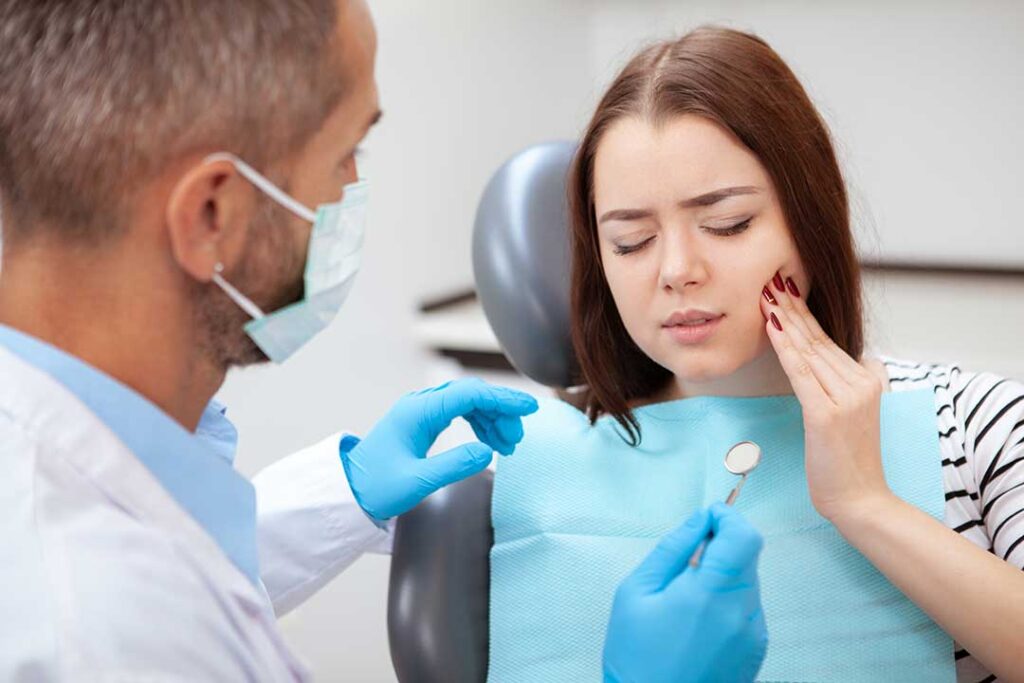
A toothache is not always an emergency, but certain symptoms mean the problem may be spreading or affecting more than the tooth itself. For residents of Texarkana, TX, the safest approach is to recognize warning signs early and know when emergency medical care is more appropriate than waiting for routine dental treatment.
Which toothache symptoms require emergency care?
A toothache requires immediate medical attention if it is accompanied by trouble breathing, difficulty swallowing, rapidly increasing swelling, or swelling involving the neck or the area around the eye. These symptoms can indicate that an infection is spreading into deeper tissues and may threaten the airway.
Call 911 or go to the nearest emergency department if any of the following occur:
- Breathing becomes difficult or noisy
- Swallowing saliva, liquids, or food becomes difficult
- The tongue or floor of the mouth appears swollen or raised
- Swelling spreads into the neck, throat, or around the eye
- The mouth cannot open normally because of swelling or pain
- There is uncontrolled bleeding after an injury or dental procedure
- The person appears seriously ill, confused, faint, or unusually weak
A hospital emergency department can help protect breathing, control serious infection, manage bleeding, and address injuries. However, it may not provide the definitive treatment needed to save or repair the tooth, so dental follow-up is still usually necessary after the immediate danger is controlled.
Is facial swelling from a toothache an emergency?
Facial swelling should be treated as urgent, especially when it is increasing, painful, firm, or associated with fever. A swollen cheek or jaw can be caused by an abscess, which is a collection of infected material around a tooth or in the surrounding tissues. Call your dental provider before symptoms get worse.
Do not wait for swelling to “come to a head.” An abscess may drain temporarily and reduce pain while the infection remains active. A burst abscess is not the same as a cured infection.
People with diabetes, weakened immune systems, recent major illness, or certain medical conditions may face a greater risk from spreading infections. Children and older adults may also become seriously ill without showing dramatic symptoms at first.
When should a person seek urgent dental care?
Severe tooth pain without breathing or swallowing problems is usually a dental emergency rather than a hospital emergency. Prompt dental evaluation is appropriate when pain is intense, persistent, or interfering with sleep, eating, drinking, work, or normal activities.
Seek urgent dental care for:
- Severe pain that does not improve with appropriate over-the-counter medication
- Pain that worsens when biting or chewing
- A cracked, broken, loose, or knocked-out permanent tooth
- A deep cavity with new or worsening pain
- A gum boil, pus, foul taste, or drainage near a tooth
- Fever or chills along with tooth or jaw pain
- Significant sensitivity that lingers after hot or cold exposure
- Pain after a recent extraction, filling, crown, or other procedure
- Bleeding that continues despite firm pressure
- Mild swelling that is not making breathing difficult or causing difficulty swallowing
Pain can come from decay, a cracked tooth, inflammation inside the tooth, gum disease, trauma, or an infection. The amount of pain does not always match the seriousness of the cause. A small-looking crack can expose the inner tooth, while a badly infected tooth may sometimes cause little pain after the nerve has stopped functioning.
Can a toothache wait until morning?
A mild toothache without swelling, fever, trauma, or worsening symptoms may sometimes be monitored briefly while arranging dental care. Waiting is less concerning when the pain is manageable, the person can eat and drink, and there are no signs of infection or injury.
Waiting is not advisable when symptoms are getting worse or when the toothache has continued for more than a short period. Dental infections rarely resolve permanently without treating the source. Delaying care can allow a cavity, crack, or infection to progress and may make treatment more complicated.
Seasonal routines can also affect how people respond to pain in the community. Travel, school schedules, extreme heat, storms, or limited after-hours access may make it tempting to postpone care. A practical rule is to seek help sooner if the condition is changing, rather than relying only on the current pain level.
What can be done safely while waiting for care?
Temporary measures may reduce discomfort, but they do not repair the tooth or eliminate an infection.
Helpful steps include:
- Rinse gently with warm water and spit it out.
- Floss carefully to remove food caught between teeth.
- Use a cold compress on the outside of the cheek for short periods if swelling follows an injury.
- Keep the head elevated, especially during sleep, if lying flat worsens throbbing.
- Use over-the-counter pain medicine only as directed on the label and only if it is safe for the person’s health history.
- Drink fluids and choose softer foods if chewing is painful.
Avoid placing aspirin, rubbing alcohol, essential oils, or other substances directly on the gums or tooth. These can burn or irritate oral tissues. Do not apply heat to facial swelling, because warmth may increase blood flow and worsen inflammation.
Antibiotics should not be borrowed, shared, or taken from an old prescription. They may be appropriate in some infections, particularly when fever or spreading illness is present, but they do not remove decay, repair a crack, or replace treatment of the infected tooth.
What if a permanent tooth is knocked out?
A knocked-out permanent tooth requires immediate attention. Hold the tooth by the crown, not the root. If it is dirty, gently rinse it with milk or clean water without scrubbing. If possible, place it back into the socket carefully. If that is not possible, keep it moist in milk or a suitable tooth-preservation solution and seek urgent dental care immediately.
Do not let the tooth dry out, and do not wrap it in tissue or store it in plain water for an extended period. A baby tooth that has been knocked out should not be placed back into the socket.
How can toothache emergencies be prevented?
Regular dental examinations, daily brushing with fluoride toothpaste, cleaning between teeth, and limiting frequent sugary drinks can reduce the risk of decay and gum infection. Protective equipment can help prevent dental injuries during contact sports or activities with a fall risk.
Early evaluation is also useful when a tooth becomes sensitive, a filling breaks, a small crack appears, or food repeatedly becomes trapped in one area. Addressing those problems before severe pain or swelling develops is generally easier than waiting for an emergency.
For local households, keeping a basic oral first-aid plan can help: know where pain medicine is stored, have clean gauze available for bleeding, and identify the nearest emergency department before a serious nighttime or weekend problem occurs.