

 See My Latest Article on HelloNation
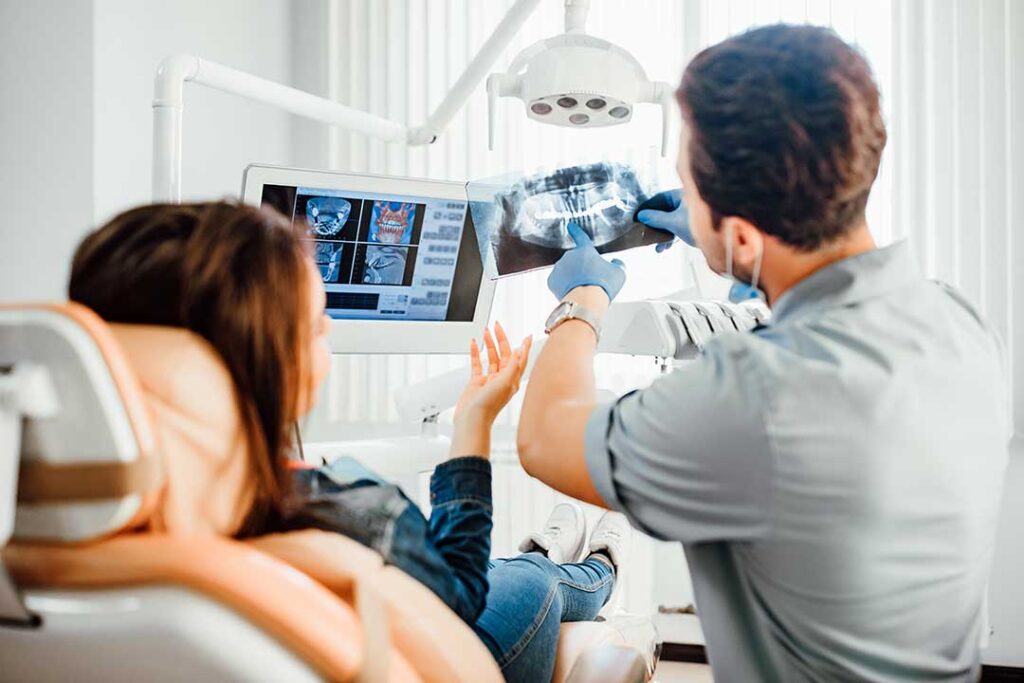
Dental sealants are thin protective coatings placed in the deep grooves of back teeth. They help block food particles and cavity-causing bacteria from settling in areas that can be difficult to clean with a toothbrush.
For many children and teenagers, sealants are most useful soon after the permanent molars erupt. Adults with deep grooves, a history of cavities, or difficulty keeping certain teeth clean may also benefit.
What exactly is a dental sealant?
A dental sealant is a coating applied to the chewing surface of a molar or premolar. These teeth often have pits and narrow fissures that naturally collect plaque and food debris.
The material flows into those grooves and hardens, creating a smoother surface. Sealants do not cover the entire tooth, and they do not replace brushing, flossing, fluoride, or regular dental examinations. Their purpose is to add protection in locations where decay commonly begins.
The procedure usually involves:
- Cleaning the tooth
- Keeping it dry
- Preparing the enamel so the material can bond
- Painting on the liquid sealant
- Hardening it with a curing light or allowing it to set
The process is generally quick and does not require drilling when the tooth surface is healthy or has an early, noncavitated lesion. Food and drinks can usually be consumed normally after placement. ([cdc.gov](https://cdc.gov/oral-health/prevention/about-dental-sealants.html?utm_source=openai))
Who usually needs sealants?
Children and adolescents are the main group considered for dental sealants, especially when their permanent molars first come in. First permanent molars commonly erupt around age 6, while second molars often appear around age 12. Applying sealants soon after eruption can protect the grooves before decay develops. ([cdc.gov](https://cdc.gov/oral-health/prevention/about-dental-sealants.html?utm_source=openai))
A child may be especially likely to benefit if they:
- Have deep grooves or pits in the molars
- Have had cavities before
- Have difficulty brushing thoroughly
- Frequently snack or drink sweetened beverages
- Have limited access to routine preventive dental care
- Have orthodontic appliances that make cleaning more difficult
- Have an early, noncavitated area of decay that can be monitored and sealed
Sealants may also be appropriate for some baby molars, particularly when those teeth have deep grooves or the child has an elevated risk of decay. Although baby teeth eventually fall out, keeping them healthy supports comfortable eating, speech development, and proper spacing for permanent teeth.
Can adults benefit from dental sealants?
Yes. Sealants are not limited to children. Adults may benefit when back teeth have deep fissures, a history of decay, exposed grooves, or areas that are difficult to keep plaque-free.
Young adults can be an overlooked group. The Centers for Disease Control and Prevention reports that adults ages 20 to 34 have more untreated cavities in their back teeth than any other adult age group. This does not mean every adult needs sealants, but it is a reason to discuss preventive options when a molar has vulnerable anatomy. ([cdc.gov](https://www.cdc.gov/oral-health/data-research/facts-stats/fast-facts-dental-sealants.html?utm_source=openai))
Older adults may also have a use for sealants in selected situations, although root exposure, large fillings, gum recession, dry mouth, and other factors may require different preventive strategies. The decision depends on the condition of each tooth rather than age alone.
How effective are sealants?
Sealants can substantially reduce decay on the chewing surfaces of back teeth. CDC information indicates that they can prevent about 80% of cavities in those surfaces for two years and continue protecting against roughly 50% of cavities for up to four years. Children ages 6 to 11 without sealants have nearly three times as many cavities in their first molars as children with sealants. ([cdc.gov](https://cdc.gov/oral-health/prevention/about-dental-sealants.html?utm_source=openai))
Protection varies from person to person. A sealant may wear down, chip, or come loose, especially on a tooth exposed to heavy chewing forces. During routine examinations, the coating can be checked and repaired or replaced if needed.
A sealant is most effective when it remains intact and the surrounding tooth is kept clean. It is a preventive layer, not a permanent guarantee against cavities.
Are sealants placed over cavities?

A tooth with a large cavity usually needs treatment beyond a sealant. However, evidence-based guidelines support using sealants over some early, noncavitated pit-and-fissure lesions. These are areas where mineral loss has begun but the tooth surface has not formed an actual hole.
The sealant can block nutrients from reaching bacteria inside the grooves and may help stop the lesion from progressing. A dental examination is necessary to distinguish an early lesion that may be sealed from decay that requires restorative treatment. ([ada.org](https://www.ada.org/resources/ada-library/oral-health-topics/dental-sealants?utm_source=openai))
This is one reason a dark spot should not automatically be assumed to be a cavity. Some discoloration is inactive or simply represents stained enamel, while other changes require closer evaluation.
Are dental sealants safe?
Dental sealants have been used for many years as a cavity-prevention measure. The American Dental Association notes that dental materials may release very small amounts of BPA-related compounds for a short period after placement, but BPA is not used as a formula ingredient in these materials. Proper curing and rinsing procedures further reduce exposure from unpolymerized surface material. ([ada.org](https://www.ada.org/resources/ada-library/oral-health-topics/dental-sealants?utm_source=openai))
Families with specific concerns can ask what type of sealant material is being used and how the tooth will be prepared and checked afterward. Available materials include resin-based and glass-ionomer sealants. Current evidence does not establish one material as universally best for every situation; moisture control, tooth anatomy, and the patient’s risk level all matter. ([ada.org](https://www.ada.org/resources/ada-library/oral-health-topics/dental-sealants?utm_source=openai))
Do sealants replace fluoride and brushing?
No. Sealants protect mainly the chewing surfaces of selected teeth. Fluoride toothpaste helps strengthen enamel throughout the mouth, while cleaning between teeth reaches surfaces that sealants do not cover.
A practical prevention routine includes:
- Brushing twice daily with fluoride toothpaste
- Cleaning between teeth each day
- Limiting frequent exposure to sugary foods and drinks
- Drinking water instead of sipping sweetened beverages throughout the day
- Having sealants examined during regular dental visits
- Addressing dry mouth, reflux, medications, or other factors that raise cavity risk
For households managing busy school schedules or seasonal changes in routine, keeping a consistent morning and evening brushing pattern is often more useful than relying on any single preventive treatment.
When should families ask about sealants?
The most useful time to ask is when a child’s permanent molars are erupting, commonly around ages 6 and 12. A discussion may also be appropriate after a new cavity, during orthodontic treatment, or when a molar’s grooves appear particularly deep.
In Texarkana, TX, families may encounter sealant information through routine dental care, school-based programs, or community oral-health initiatives. Program availability and eligibility can change, so questions about consent, screening, follow-up, and which teeth are included should be answered directly by the participating program or dental team.
The central question is not simply whether someone is young or old. It is whether particular teeth have grooves and risk factors that make a protective coating likely to prevent future decay.