

 See My Latest Article on HelloNation

Why does oral health matter beyond the mouth?
Oral health affects eating, speaking, sleep, comfort, and quality of life, but its influence does not stop at the teeth and gums. The mouth is connected to the digestive and respiratory systems, and oral infections, inflammation, medications, and chronic diseases can affect one another. ([nidcr.nih.gov](https://www.nidcr.nih.gov/news-events/nidcr-news/2024/healthy-mouth-healthy-body?utm_source=openai))
For residents of Texarkana, TX, this means dental care is part of general health care—not a separate concern to think about only when a tooth hurts. Cavities and gum disease can develop quietly, especially when symptoms are mild or absent.
A healthy mouth does not guarantee that a person will avoid diabetes, heart disease, or other medical conditions. However, oral health and overall health often share risk factors, and certain conditions can make oral problems more likely or more difficult to control.
How can gum disease affect the rest of the body?
Gum disease begins when plaque—a sticky film containing bacteria—builds up around the teeth. If plaque is not removed, it can harden into tartar and trigger inflammation. Early gum disease may cause red, swollen, or bleeding gums. More advanced periodontal disease can damage the bone and tissues that support the teeth. ([nidcr.nih.gov](https://www.nidcr.nih.gov/health-info/gum-disease?utm_source=openai))
The connection with the rest of the body appears to involve several pathways:
- Inflammation in the gums can add to the body’s overall inflammatory burden.
- Bacteria from diseased gum tissue may enter the bloodstream.
- Gum disease and chronic conditions may share risk factors such as tobacco use, poor diet, obesity, and high blood pressure.
Researchers have found associations between periodontal disease and conditions including diabetes, cardiovascular disease, pregnancy complications, and some respiratory illnesses. However, an association does not prove that gum disease directly causes each of these conditions. The exact biological relationships remain an active area of research. ([nidcr.nih.gov](https://www.nidcr.nih.gov/news-events/nidcr-news/2024/healthy-mouth-healthy-body?utm_source=openai))
What is the relationship between diabetes and oral health?
Diabetes and gum disease can influence each other. High blood sugar can weaken the body’s ability to fight infection, increase the amount of sugar in saliva, and contribute to dry mouth. These changes can raise the risk of cavities, gum disease, fungal infections, and slower healing. ([nidcr.nih.gov](https://www.nidcr.nih.gov/health-info/diabetes?utm_source=openai))
Gum disease may also make blood sugar more difficult to manage. This does not mean dental treatment replaces diabetes care, but controlling oral infection is one part of managing health as a whole.
People living with diabetes should pay attention to:
- Gums that bleed easily or remain swollen
- Persistent bad breath or a bad taste
- Dryness, mouth soreness, or white patches
- Loose teeth or changes in how dentures fit
- Mouth wounds that heal slowly
Sharing a diabetes diagnosis and current medications during dental visits helps the dental team understand risks and watch for changes.
Can oral health affect pregnancy?
Pregnancy can make the gums more sensitive to plaque because of hormonal changes. As a result, some pregnant people develop gingivitis, cavities, or increased gum tenderness. The CDC states that routine and emergency dental care are safe during pregnancy, and delaying needed care may allow an oral infection to worsen. ([cdc.gov](https://cdc.gov/oral-health/data-research/facts-stats/fast-facts-pregnancy-and-oral-health.html?utm_source=openai))
Oral health also matters for the child’s future dental health. Children whose mothers have high levels of untreated cavities or tooth loss are more likely to develop cavities themselves, reflecting shared bacteria, eating patterns, oral hygiene habits, and access to care. ([cdc.gov](https://www.cdc.gov/oral-health/php/infographics/oral-general-health.html?utm_source=openai))
Pregnancy is not a reason to stop brushing or flossing. If nausea makes brushing difficult, rinsing with water after vomiting and brushing later may be easier on the teeth than brushing immediately.
How can oral problems affect nutrition and daily life?
Tooth pain, missing teeth, loose dentures, or untreated gum disease can make chewing uncomfortable. Some people respond by avoiding foods such as fresh vegetables, fruits, lean meats, or nuts and choosing softer foods that may be higher in added sugar or lower in nutritional value.
Oral pain can also interfere with sleep, concentration, work, and school. A dental problem that is ignored because it is “only a tooth” may eventually affect eating patterns, mood, or the ability to perform normal activities.
Seasonal heat can add another practical concern for households in Texarkana. Dehydration and some medications can reduce saliva, and saliva helps protect teeth by washing away food particles and neutralizing acids. Drinking water regularly, limiting sugary beverages, and asking a medical provider about persistent medication-related dryness can help protect the mouth.
Can the mouth reveal other health problems?
Sometimes. Changes in the mouth may be an early sign of a medical issue, a medication side effect, or a nutritional problem. Examples include persistent dry mouth, unusual ulcers, white or red patches, changes in taste, repeated infections, and unexplained bleeding.
These signs are not automatically evidence of a serious disease. Many have ordinary explanations, such as irritation, infection, allergies, or medication effects. Still, a sore or patch that does not heal, a lump, persistent hoarseness, difficulty swallowing, or unexplained numbness should be evaluated promptly.
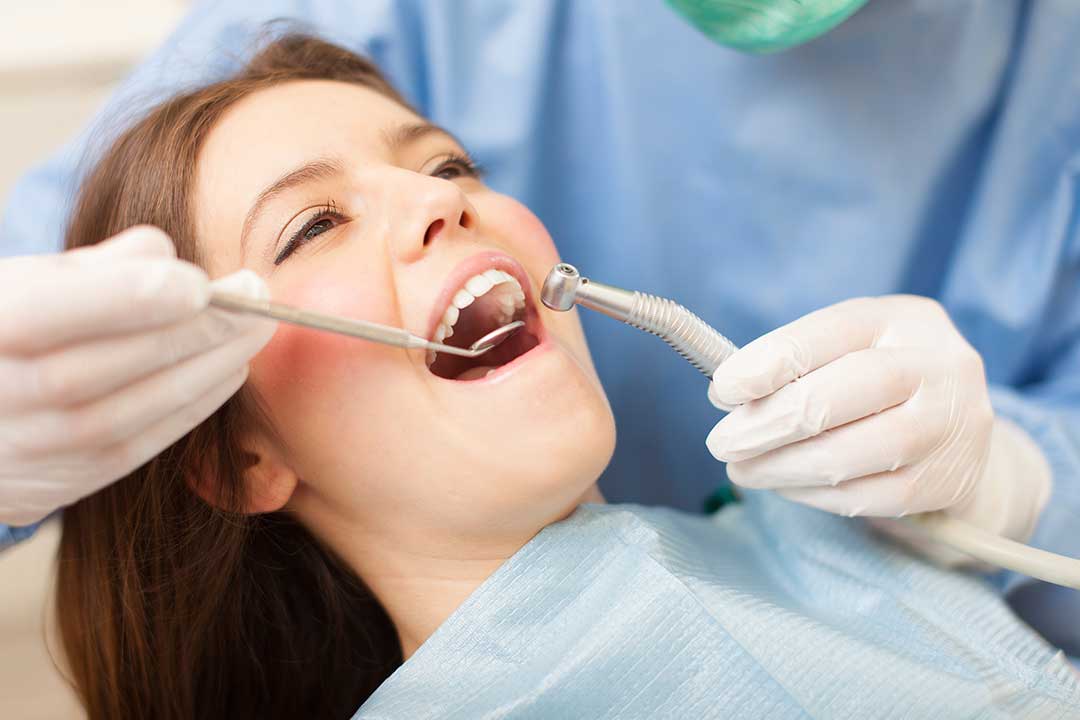
Routine oral examinations are useful because some conditions cause little pain in their early stages. The CDC recommends regular dental checkups, with the frequency adjusted for a person’s health history and risk level. ([cdc.gov](https://www.cdc.gov/oral-health/prevention/oral-health-tips-for-adults.html?utm_source=openai))
What daily habits protect both oral and general health?
The same habits that support oral health often support the rest of the body:
- Brush twice daily with fluoride toothpaste.
- Clean between the teeth daily with floss or another suitable interdental cleaner.
- Limit frequent exposure to added sugar, especially sweet drinks.
- Drink water regularly and pay attention to persistent dry mouth.
- Avoid tobacco and nicotine products; tobacco is a major risk factor for gum disease and oral cancer.
- Keep diabetes, blood pressure, and other chronic conditions managed according to medical guidance.
- Wear a mouthguard during contact sports or activities with a risk of facial injury.
- Keep routine dental and medical visits, even when there is no pain.
Bleeding during brushing is not something that should simply be accepted as normal. It can be a sign of inflammation, although aggressive brushing or certain medical conditions can also cause bleeding. Persistent bleeding, swelling, pain, or loose teeth deserves attention.
When should a dental problem be treated urgently?
Severe tooth pain, facial swelling, fever, difficulty swallowing, difficulty breathing, uncontrolled bleeding, or rapidly spreading swelling can indicate an infection or another urgent problem. Breathing or swallowing difficulty requires emergency medical attention.
For less urgent concerns, seeking evaluation before symptoms become severe can reduce the chance of extensive infection, tooth loss, or difficulty eating. Oral health is most useful as a part of preventive care: a daily routine at home, awareness of changes, and coordination between dental and medical care when health conditions overlap.