
 See My Latest Article on HelloNation
Can Pregnancy Cause Changes in Oral Health?
Yes, pregnancy can bring about noticeable changes in both teeth and gums. These changes are primarily due to hormonal shifts, which influence how the body responds to bacteria in the mouth and may also affect the strength of tooth enamel. For people living in Texarkana, where seasonal allergies, dry spells, or humidity can already affect oral comfort, pregnancy adds another layer of factors to be aware of.
During pregnancy, higher levels of hormones like progesterone and estrogen impact the body’s immune response and blood flow. These changes can make the gums more sensitive and prone to inflammation. While most oral changes during pregnancy are temporary, ignoring symptoms can sometimes lead to longer-lasting problems if not managed.
What Common Dental Problems Might Appear During Pregnancy?
Pregnant people most often notice two main issues: swollen, bleeding gums (pregnancy gingivitis) and a higher risk of cavities. Here’s why each happens:
- Pregnancy Gingivitis: This condition can make gums red, swollen, and more likely to bleed when brushing or flossing. The combination of increased blood flow and heightened immune response to plaque causes this issue for many pregnant people.
- Cavities: Cravings and more frequent snacking, combined with morning sickness (which exposes teeth to stomach acids), can increase the risk of tooth decay. In addition, some may find daily brushing and flossing harder if they are feeling queasy.
Pregnancy tumors—painless, non-cancerous overgrowths on the gums—can also occur, though these are less common. They usually go away after birth.
Why Do Gums Bleed More Easily When Pregnant?
The primary reason is a heightened response to plaque caused by hormonal changes. Increased blood flow to gum tissues also makes them more likely to bleed during brushing or flossing. Dry indoor air from seasonal heating or air conditioning—which is common in area households—can contribute to irritated gums and mouth dryness, making symptoms more noticeable.
Local residents might interpret occasional bleeding as a sign of brushing too hard, but in pregnancy, even gentle hygiene habits can cause sensitive gums to bleed more often. Keeping up with gentle, thorough oral care helps manage this.
Does Pregnancy Make Cavities More Likely?
Pregnancy does slightly raise the risk of developing cavities for several reasons:
- Dietary changes: Increased cravings for sweets or carbohydrates, plus more snacking, can create more opportunities for tooth decay.
- Morning sickness: Frequent vomiting increases acid levels in the mouth, which can weaken enamel and make it easier for cavities to form.
- Difficulty with oral hygiene: Gag reflexes can be more sensitive, making thorough brushing less comfortable.
During pregnancy in Texarkana, where snacking at community events or sharing homemade treats is part of local life, being mindful of brushing after sugary or acidic foods becomes even more important.
Can Pregnancy Affect Existing Dental Work?
Generally, fillings and crowns hold up well during pregnancy, but changes in the mouth can make certain preexisting issues more noticeable. Swollen gums might feel tight around crowns or bridges, while sensitivity can temporarily increase, especially following morning sickness. Existing gum disease may also worsen if not closely monitored.
Is It Safe to Get Dental Care During Pregnancy?
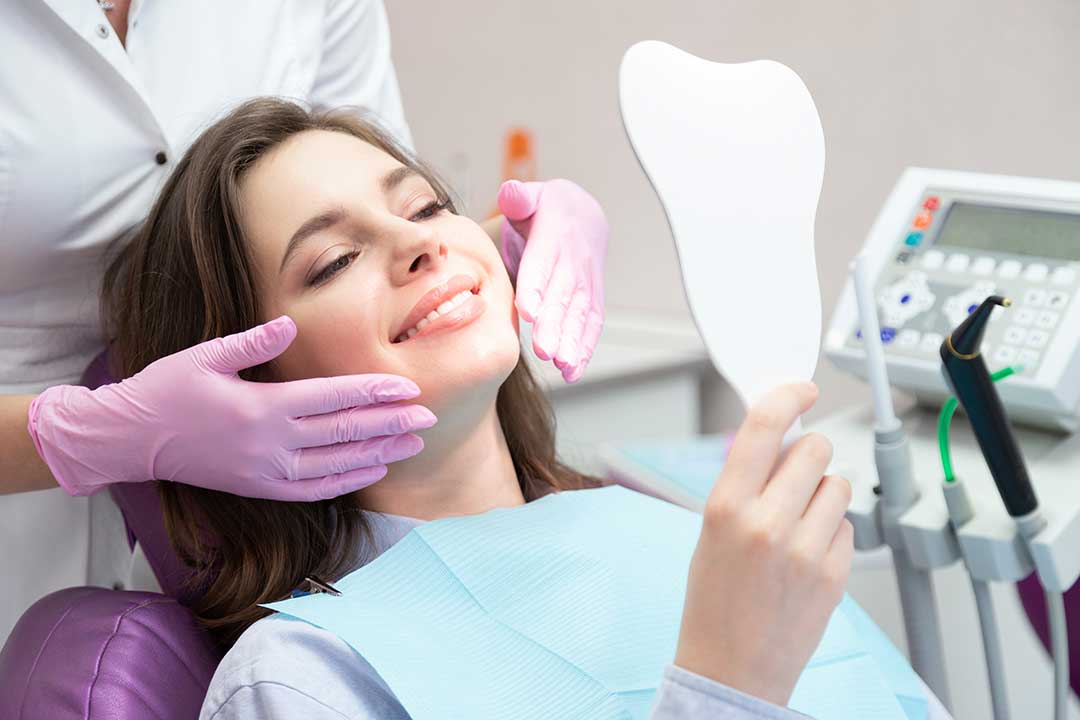
Basic dental care, such as cleanings, exams, and emergency treatment, is considered safe and recommended at any stage. Local clinics typically follow guidelines that balance effective care and the comfort of both patient and baby. Routine x-rays are usually postponed unless absolutely necessary, and most providers will use a lead apron if imaging is unavoidable.
For the majority of healthy pregnancies, the second trimester is the most comfortable time for non-urgent dental visits, as the risk from early pregnancy symptoms has decreased and sitting for longer appointments tends to be easier.
How Can Pregnant Individuals in the Community Protect Their Teeth and Gums?
A few simple steps help manage oral health during pregnancy:
- Brush twice daily with a soft-bristle toothbrush and fluoride toothpaste.
- Floss gently once a day, even if gums are sensitive.
- Rinse with water after vomiting to wash away acids, but wait about 30 minutes before brushing.
- Drink plenty of water, especially if combating dry mouth from climate or seasonal allergies.
- Limit sugary snacks and eat well-balanced meals with plenty of calcium and vitamin D.
Texarkana residents who enjoy local outdoor activities should carry water bottles to stay hydrated and rinse their mouths after snacks during picnics or events. Those with well water should check if it contains fluoride, as this can help reduce cavity risk.
Are There Local Environmental or Lifestyle Factors That Can Influence Oral Health During Pregnancy?
Regional weather patterns—like hot, dry periods that happen during late summer—can increase risk of dry mouth. Tap water quality, the presence or absence of fluoride, and diet traditions in area households play a role in overall dental strength too. Residents relying on private wells or bottled water may need to discuss fluoride needs with their healthcare provider.
Understanding the specific lifestyle patterns, such as attending seasonal fairs or family gatherings where sweet snacks are common, can help local families adjust routines to better support oral health during pregnancy.