

 See My Latest Article on HelloNation
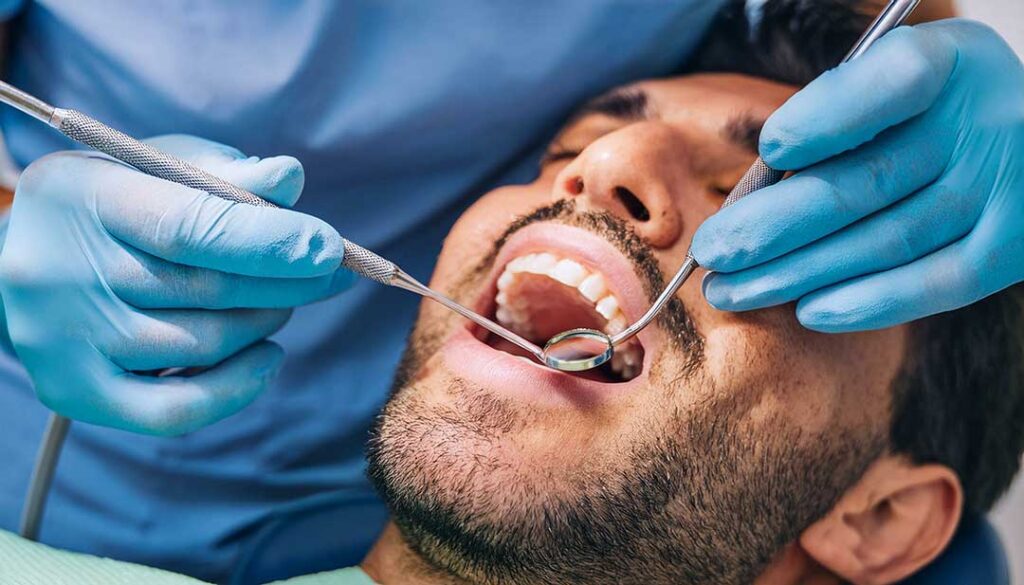
Diabetes and oral health are closely connected. In Texarkana, TX, residents managing diabetes may face a higher risk of gum disease, cavities, dry mouth, oral infections, and slower healing. The connection works in both directions: high blood sugar can make oral problems more likely, while untreated gum disease can make blood sugar harder to control.
Understanding this relationship helps people recognize warning signs early and make oral care part of diabetes self-management.
Why does diabetes affect the mouth?
High blood sugar can affect the mouth in several ways. It may weaken the body’s ability to fight infection, increase the amount of glucose in saliva, and reduce saliva production. Each of these changes can make it easier for harmful bacteria to grow.
Saliva normally protects teeth and gums by washing away food particles, neutralizing acids, and helping control bacteria. When the mouth becomes dry, plaque can build up more easily. This raises the risk of tooth decay, gum inflammation, mouth sores, and fungal infections such as thrush.
Some medicines can also contribute to dry mouth. A persistent dry feeling, difficulty swallowing, frequent sipping of water, or a sticky sensation in the mouth should not be ignored.
Is gum disease more common in people with diabetes?
Yes. People with diabetes are more likely to develop gum disease, particularly when blood sugar remains above the target range for long periods.
Gum disease usually begins as gingivitis. The gums may look red or swollen and bleed during brushing or flossing. At this stage, the condition may improve with better plaque removal and appropriate dental care.
Without treatment, gingivitis can develop into periodontitis. This more advanced infection affects the tissues and bone that support the teeth. Possible signs include:
- Gums pulling away from the teeth
- Persistent bad breath
- Loose or shifting teeth
- Pus near the gumline
- Pain when chewing
- Increasing spaces between teeth
- Changes in the way the teeth fit together
Periodontitis can eventually lead to tooth loss. It may also be present without significant pain, which is why regular examinations matter even when the mouth feels normal.
Can gum disease make diabetes harder to manage?
It can. Gum disease causes inflammation and infection in the body. That inflammation may interfere with the body’s response to insulin, making blood sugar more difficult to manage.
This does not mean that gum treatment replaces diabetes medication, food planning, physical activity, or blood glucose monitoring. It does mean oral health is part of the larger picture. Treating gum disease and maintaining daily plaque control may support better overall diabetes management.
A pattern of unexplained changes in blood sugar, frequent oral infections, or worsening gum symptoms deserves attention from both the diabetes care team and a dental care professional.
What other oral problems are linked to diabetes?
Gum disease is the most recognized connection, but it is not the only one. Diabetes may also increase the risk of:
Cavities
Higher glucose levels in saliva can provide more fuel for cavity-causing bacteria. Dry mouth removes another layer of protection. Frequent sipping of sweetened drinks, including beverages used to treat low blood sugar, can also expose teeth to sugar and acid.
Dry mouth
Dry mouth can cause burning, soreness, cracked lips, difficulty wearing dentures, trouble speaking, and difficulty swallowing. It also increases the risk of cavities and mouth infections.
Thrush
Thrush is a fungal infection that can cause creamy white patches, redness, soreness, or a burning sensation. It may occur more often when blood sugar is poorly controlled or when the mouth stays dry.
Slower healing
High blood sugar can make it harder for the body to fight infection and repair tissue. After oral surgery or other extensive dental treatment, healing may take longer, and the risk of infection may be higher.
Taste changes and burning sensations
Some people experience an altered taste, a metallic taste, or burning in the mouth. These symptoms can have several causes, including dry mouth, infection, medication effects, or blood sugar changes.
What symptoms should residents watch for?
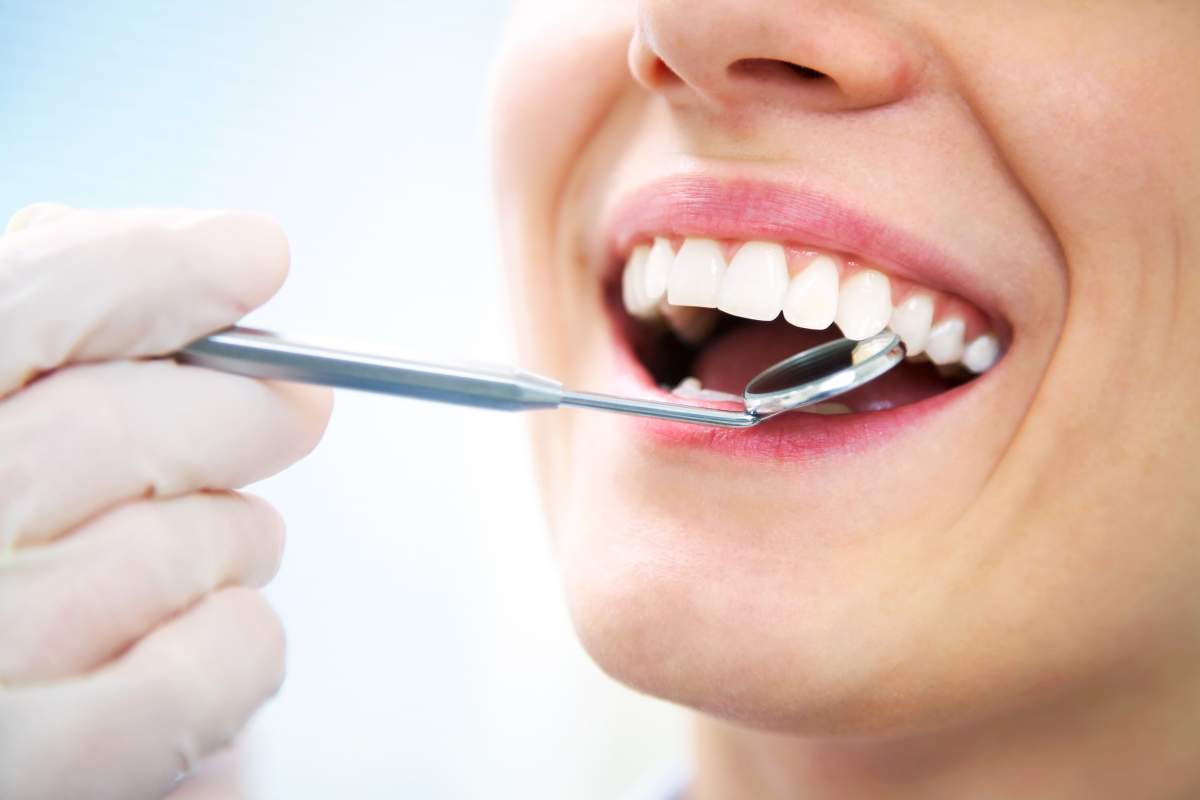
A quick mouth check at home can help identify changes early. Look for gums that bleed easily, persistent swelling, recession, sores that do not heal, white patches, loose teeth, or a bad taste that does not go away.
Contacting a dental care professional is especially important when there is facial swelling, fever, severe tooth pain, difficulty swallowing, or difficulty breathing. These may signal an infection requiring prompt attention.
A sore or irritated area that lasts longer than two weeks should also be evaluated rather than assumed to be a minor problem.
How can someone with diabetes protect their teeth and gums?
Daily habits make a meaningful difference:
- Brush twice a day with fluoride toothpaste.
- Clean between the teeth once a day with floss, interdental brushes, or another suitable tool.
- Drink water regularly, especially during hot weather or outdoor activity.
- Choose unsweetened drinks whenever possible.
- Avoid tobacco products, which raise the risk of gum disease and slow healing.
- Keep blood glucose within the individualized range set by the medical care team.
- Keep dentures clean and report poor fit, sore spots, or persistent irritation.
- Have regular dental examinations and cleanings based on individual risk.
People who experience dry mouth may benefit from sugar-free gum or lozenges that stimulate saliva. Products containing xylitol may help reduce cavity risk, but they should be kept away from dogs because xylitol can be dangerous to them. Alcohol-containing mouth rinses may worsen dryness for some people.
What should be discussed before dental treatment?
Anyone with diabetes should tell the dental office about the condition, medications, recent blood sugar concerns, and any diabetes-related complications. This information can affect treatment planning.
For oral surgery or extensive dental work, the medical and dental care teams may need to discuss blood glucose monitoring, medication timing, meals, and healing concerns. People should not change diabetes medication on their own.
It is also useful to mention episodes of low blood sugar, insulin use, kidney problems, heart conditions, or medicines that affect bleeding. Clear communication helps reduce avoidable complications.
Does every person with diabetes need extra dental visits?
Not necessarily. The right schedule depends on gum health, cavity risk, dry mouth, tobacco use, dentures, past dental treatment, and diabetes control. Some people may need more frequent cleanings or examinations than the commonly used once-a-year minimum.
The key point is consistency. Waiting until bleeding, pain, or a loose tooth appears can allow a manageable problem to become more advanced. Oral health checks should be treated as part of routine diabetes care, not as a separate concern.
For households in the community, linking brushing, interdental cleaning, water intake, medication routines, and blood sugar management can make oral care easier to maintain throughout the year.