

 See My Latest Article on HelloNation
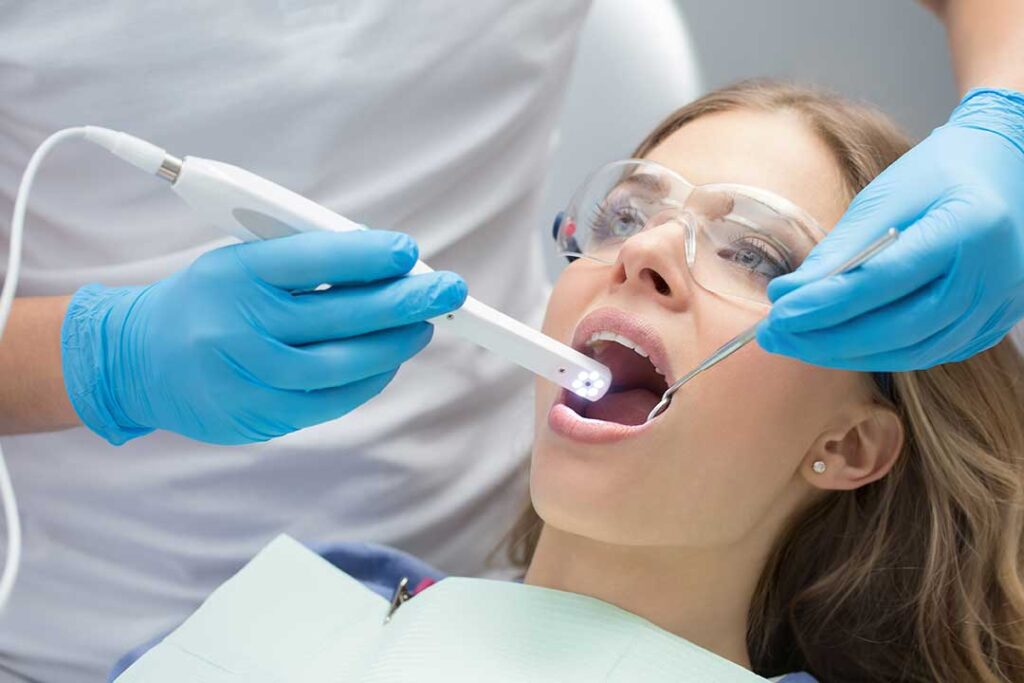
Why Does Bad Breath Happen?
Bad breath, clinically known as halitosis, occurs when unpleasant odors are released from the mouth. In Texarkana, both local environment and common lifestyle factors play a role in its development. The leading cause is bacteria breaking down food particles, producing sulfur compounds that smell foul.
Additional local considerations include the prevalence of seasonal allergies and dry air indoors during winter months, both of which can worsen mouth dryness—a common trigger for unpleasant breath.
Is Food Really to Blame for Bad Breath?
Many foods contribute to temporary mouth odors. Garlic, onions, and certain spices can linger on breath because their compounds enter the bloodstream and are eventually exhaled from the lungs. Coffee and alcohol are also known offenders, both because of their strong smells and their drying effects on the mouth.
In the area’s community gatherings, potlucks, and backyard barbecues, such foods are common. While these smells fade with time, persistent odor after meals may suggest other underlying causes.
How Do Oral Hygiene Habits Affect Breath?
Neglecting regular brushing and flossing is the most common source of continued bad breath. Leftover food particles become food for bacteria, which thrive in warm, moist environments—especially overnight or during the hot, humid Texarkana summers. Insufficient cleaning of dental appliances or dentures further adds to the problem.
Maintaining consistent hygiene practices is critical for local households, especially in homes where busy schedules make this easy to overlook.
What About Dry Mouth and Local Climate?
Dry mouth, or xerostomia, is a major driver of bad breath across Texarkana, where air conditioning is heavily used during hot months and heaters during rare winter freezes. These appliances reduce indoor humidity, lowering saliva levels. Saliva is essential for washing away dead cells and bacteria.
Medical conditions such as diabetes, medications for high blood pressure and allergies, and regular antihistamine use can also dry out the mouth. This is a common issue for many area residents, especially those managing chronic health concerns.
Can Underlying Medical Conditions Cause Bad Breath?
In some instances, persistent bad breath signals an underlying medical condition. Sinus infections and allergies, both common in the piney woods around Texarkana, create postnasal drip, which introduces bacteria-feeding mucus into the mouth.
Other possible causes include:
- Gum disease (gingivitis or periodontitis) causing pockets where bacteria hide
- Tonsil stones trapping debris and bacteria
- Gastroesophageal reflux (acid reflux), where stomach acids reach the mouth
- Uncontrolled diabetes, due to higher sugar in saliva
If maintaining oral hygiene doesn’t resolve the issue, it’s worth looking into these broader health possibilities.
Are There Everyday Fixes for Bad Breath?
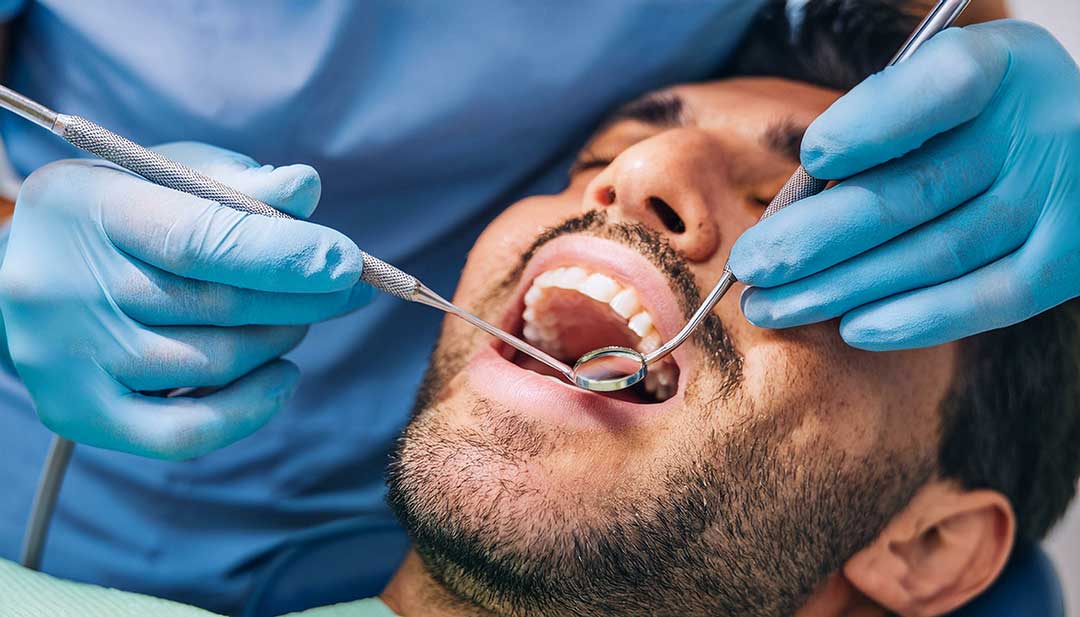
Routine, thorough oral care remains the most reliable solution for most people in the city. Key strategies include:
- Brushing teeth and tongue at least twice daily
- Flossing once a day
- Drinking enough water, particularly during hot days
- Using a mouthwash for temporary relief
- Cleaning dentures or oral appliances as directed
Chewing sugarless gum, especially brands with xylitol, can also boost saliva flow. Local residents who spend long hours indoors should consider using a humidifier to add moisture to home air, especially in winter.
What Are Common Misconceptions About Bad Breath?
Not all bad breath comes from poor brushing or from the foods eaten at local gatherings. Some believe breath mints or gum will ‘fix’ the problem—but these only mask odors and do not address underlying bacteria.
Another local myth is that all mouth odors are visible to others. In reality, most unpleasant smells are not strong enough to be noticed except in very close contact.
If chronic bad breath continues despite basic hygiene and healthy habits, it may not be a simple fix and deserves further investigation.
When Should Residents Seek Further Help?
Though most cases can be managed with good habits and addressing dryness, unresolved or severe odors can be a sign of gum disease, infection, or other health concerns. If breath remains a problem even after improving hygiene or addressing dryness, especially when paired with other symptoms like bleeding gums or frequent dry mouth, those are signs it’s time to discuss this with a healthcare professional.